This past Saturday (October 11th) marked World Mental Health Day. The day featured many people opening up and showing their strength against the demons which they fight each and every day.
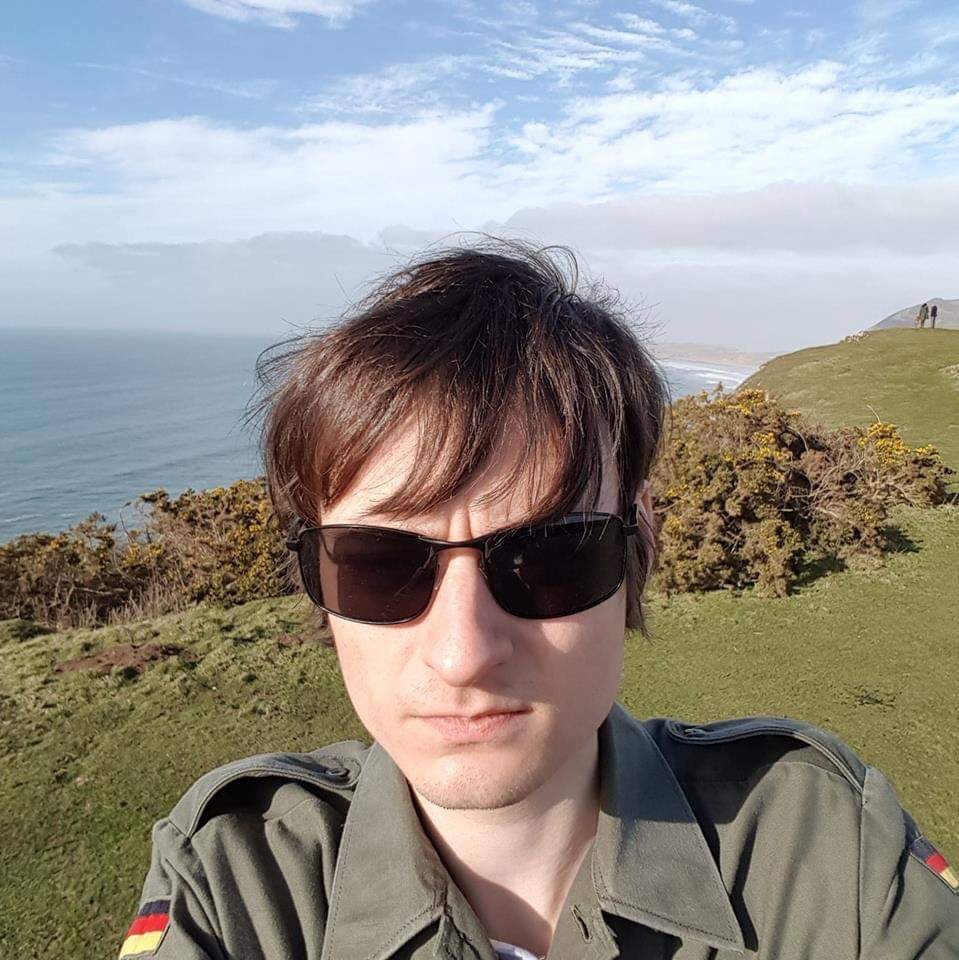
One person in particular is the person I’ve chatted to for this week’s blog post. I met Robert Percy via the most modern way of meeting people which is online. We’re both members of fan groups for ‘The Simpsons’ and ‘Pro Wrestling’ and hit it off whilst chatting about these topics and found we have more in common.
I come to find that we have similar (and sometimes different) tastes in music ranging through many genres and other sports. Robert is also very honest and passionate on topics such as LGBTQ+ rights, politics, racism and mental health.
Therefore, I thought he’d be the perfect person to talk to for the blog and thankfully he accepted the invitation.
You’re a very honest and open person. How difficult did you find it in being upfront about your mental health?
Very difficult, actually. I still find it very difficult at times to open up and talk about my problems. There is a lot of stuff that goes on that I never talk about publicly and, to be honest, I prefer things to be that way. Mainly because of how vicious other people can be about things they don’t understand.
I don’t actually think that I’m a massively open and honest person. Honest? Yes, to the point where I’ve been branded as unlikeable or a dickhead by other people.
Open? Fuck no! I just give off that impression because I like to chat to people on social media. Every so often I will try to talk about issues I have had with myself, with others or with the world in general.
In reality, I’m a very socially awkward and anxious person who prefers to be left alone a lot of the time. That’s probably part of the reason why I like social media so much.
When something annoys you a lot on social media, you can just make it go away by a click of a button whether it’s unfollowing someone or even blocking them.
You don’t have to really deal with the consequences of telling somebody to go and stick it where the sun doesn’t shine if they aren’t willing to give you the time of day about something. Whereas, if it was in person it would be a very drawn out and sometimes stressful situation.
Do you find it easy to talk to someone?
To be honest, not really. I’ve always had a “keep calm and carry on” sort of mentality when it comes to dealing with personal problems. That means I often don’t talk to anyone about things until it’s affecting me so badly that I struggle with things I normally don’t struggle with.
At that point I would speak to someone. Reflecting on it, maybe I should stop doing this as it’s not healthy to bottle things up. It’s ok to vent via social media platforms but there’s only so much help you can get from it.
It’s becoming more and more easier for people to open up and talk to someone as it would definitely guide you towards a healthier mindset.
Why do you think there is a stigma associated with mental health, especially with men?
Basically, it all comes down to toxic masculinity. There’s not really any other way I can put it but we grow up with the whole mentality of “boys don’t cry” and it’s incredibly damaging to our mental health.
We grow up with the older generations passing down the age old process of “be strong, don’t show weakness” and that men have to be the rock of the family. At the end of the day, we have feelings and struggles.
That’s at least what I can say from my experience of growing up. I think maybe the stigma of suicide has something to do with it as well. I’m no expert but that’s maybe a discussion that somebody else would be able to articulate better than I can.
I can only really comment on what I’ve read in terms of statistics and people I know.
How does your line of work impact your mental health and are there any examples that you’d like to share?
To be perfectly honest, it can be very detrimental to my mental health. I’ve had many situations where I’ve been bullied and pushed around by other people in the industry and it’s seriously affected me. It can be a very toxic environment at times.I won’t name these people as I don’t want to bring any attention them once this goes out and I don’t want to get sued!
I’ve had at least one situation in the past of being targeted by the workplace bully. They pretty much threw me under the bus purposefully even though they were in the wrong. I’ve also had situations where work I’ve published has been attacked and trolled by vicious commenters (usually of the right-leaning persuasion but sometimes left-leaning ones as well).
This has been on social media platforms, as well as the site itself and that can be very difficult to deal with sometimes, as anyone who creates any kind of online content will no doubt tell you. As so many people are out there that appreciate the work you do, there’ll always be the trolls and “keyboard warriors” who just go out of their way to make things difficult.
Journalism is a very competitive field and honestly, in most cases, it’s needless because unless you’re Jeremy Clarkson or Jon Snow you’re fighting over a hotdog and a handshake.
Fighting over something that’s worth almost nothing is not worth compromising your mental health and I wish I had known that sooner.
What means of exercise, techniques or activities help you in difficult situations?
I try to exercise regularly just as a point of good physical health, but I definitely think that can help with mental health as well. I also try to keep as small of a circle of friends as possible because recently I realised that I do a lot of shitty things when I hang around with other people too much. Especially if those people are actually pretty toxic.
I don’t drink or use any drugs either because I know from experience alcohol and passive weed has sent me into episodes of poor mental health. I tried typical meditation-related stuff once and it didn’t work for me at all – I just go for walks instead. I’ve never had to use medication either, at least not yet.
Just recently, I also downloaded a browser extension for Google Chrome called Bot Sentinel that shows how ‘problematic’ a Twitter account is based on its Tweets and gives it a nice easy score and percentage, with accounts that have a 75% or higher score being the super problematic ones that you should probably not interact with and also report to Twitter.
It can also automatically block any problematic accounts for you if they directly reply to your tweets. That’s been something that’s very useful when dealing with these horrible people over the internet and it’s helped take the strain off the anxiety of having people reply with hurtful and negative comments to something I’ve put out online.
You’re very passionate about music, how is that helpful in regards to mental health?
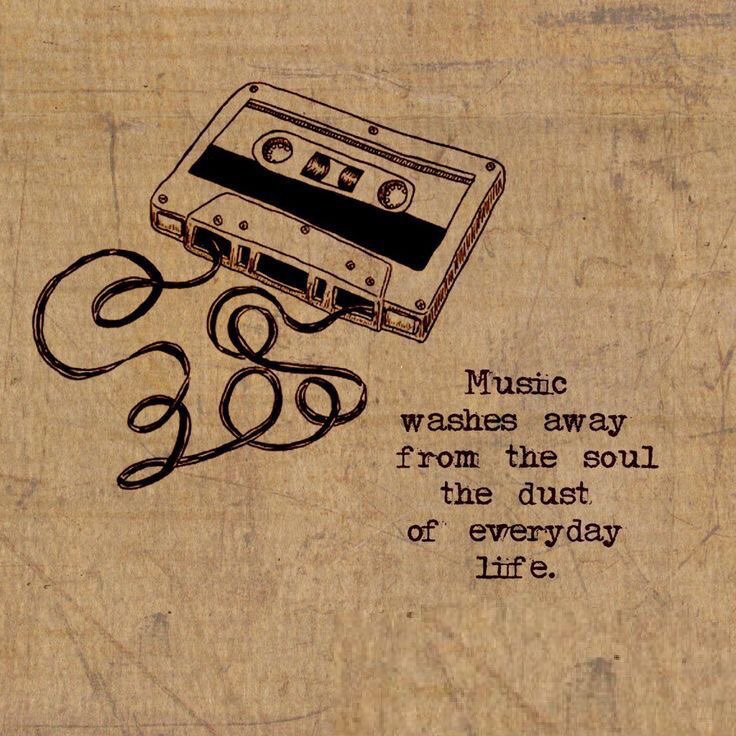
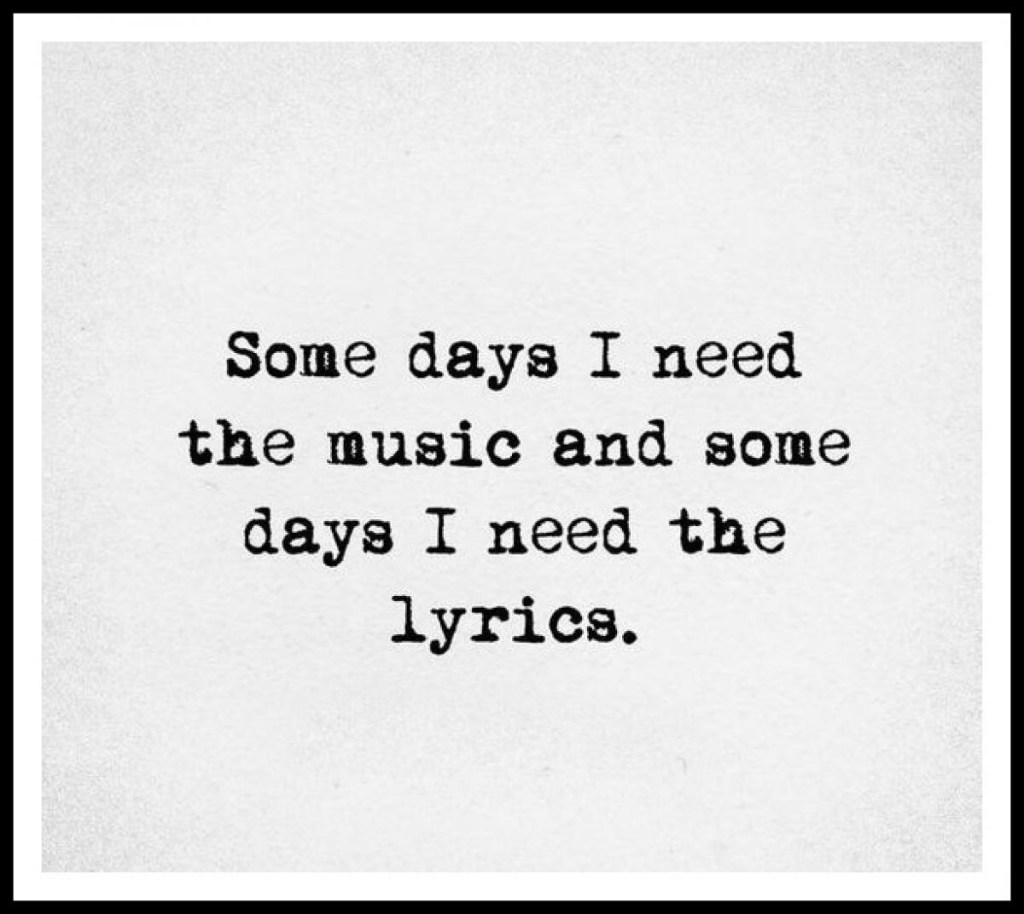
I think music can be a better way to express yourself in comparison to just talking about your problems in a lot of cases. There’s an old golden rule in writing musical theatre that when it becomes too emotionally charged for the characters to talk they start singing and I guess there’s some reality to that.
I also love quite a bit of stuff that’s emotionally pretty void or shallow though so you can totally disregard my flowery musing if you want though. So many artists speak to me on so many levels via their lyrics and emotion via their music. I think it’s very special if you can relate to the lyrics as it shows they’re only human despite being on a higher platform.
Steven Wilson is an artist that I really find helpful. He’s been in many bands over the years but his music has always been enjoyable. A lot of music his music has grasped my interest as he’s written about some very dark topics, including mental health.
Same goes with bands like Slipknot, Alter Bridge, Korn, Nine Inch Nails and so many other bands that I can’t name off the top of my head. Their songs are all about the bad times and the aggression in the way they perform the songs are their release I guess.
What would you say to someone who is struggling and doesn’t know if talking about it is the right thing to do?
Talk to a trusted friend or family member about it. If it’s too bad to manage just with the support of family and friends, there is no shame in asking for professional help.
Whilst I’m yet to seek this assistance, I know plenty of people who have had it in their lives. It is nothing to be ashamed about if you need therapy and/or medication to help you deal with something.
We’re all in this together and there’s plenty of support to guide us through.
I haven’t known Robert very long but I’m very glad that he’s in a so called “happy place”. He’s dealt with his fair share of shit on both personal and professional capacities and he’s come out fighting. He’s a very driven person as any of his articles show.
He also appreciates that we all have our different ways of coping and he knows what helps him. Also he isn’t afraid of seeking alternatives such as meditation. Can’t help but get a “don’t knock it until you try it” vibe from him which is a fantastic approach to life.
Robert is currently a content creator for DriveTribe (a website for car enthusiasts), FoodTribe (food enthusiasts) and The Indiependent (a platform for aspiring journalists who cover music, film, TV and opinion).
As I’ve said previously he’s got his fingers in a lot pies in terms of the topics he covers in his journalism career and he’s equally as passionate in any of these fields. I wish him nothing but the best in his current and future roles, wherever they take him. I do hope I bump into him at a gig in the future as he’s a really good bloke.
I’ve also posted some links below to some of Robert’s recent work incase any of you would like to have a gander.
Thank as always for reading the blog. As yesterday was World Mental Health Day, the message is as important as it always is in realising that we’re never alone. Even in our darkest moments, help is there whether it’s on a personal and/or professional level.
Stay strong, take care and until next time I guess I’ll see you later!