I like to think that in the present day, it’s a much better place for men to speak about their problems, especially mental health. Compared to even a few years ago, some huge steps have been taken to encourage us blokes to open up.
While we have done a much better job of reducing the stigma and expanding opportunities for support, men still may be experiencing shame, guilt and other negative feelings that could lead to them being less willing to ask for help.
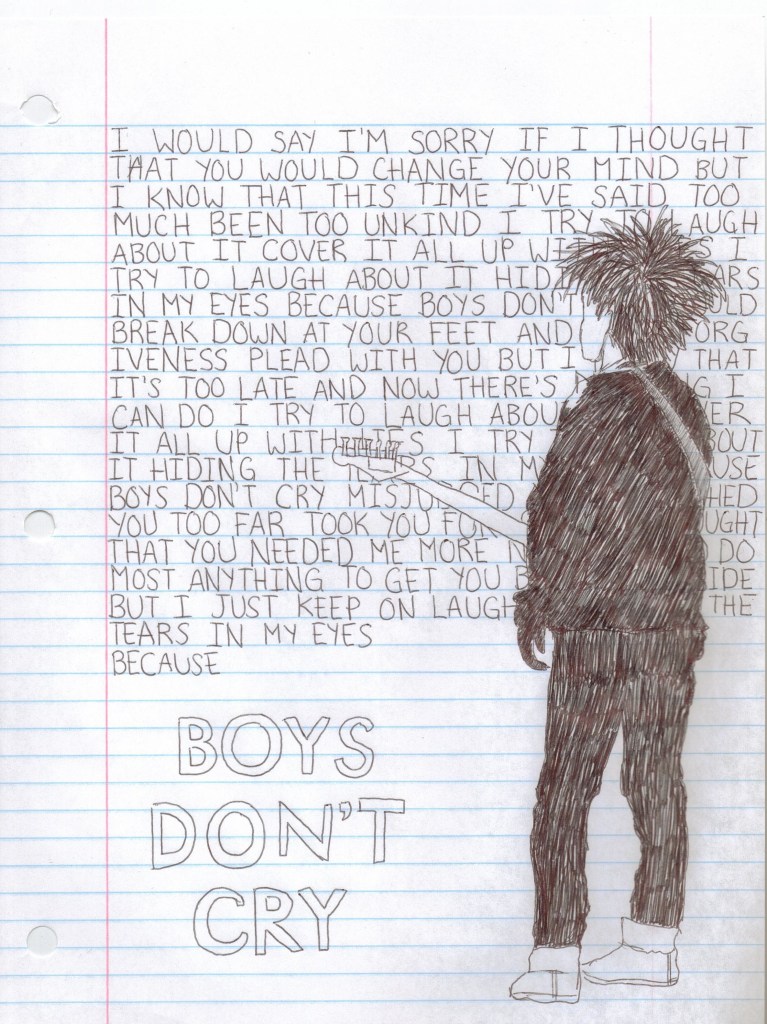
75% of all suicides are male, which works out at an average of 84 men a week that take their own lives. Numerous studies show that men find it difficult to talk about their issues but why is this? It all stems from the age old belief that “men don’t cry” and that we should show strength. A lot of men fall prey to the ideology that we should fix our own problems. This has passed through the generations and still has a hold on many of us to this day.
It’s very hard for anyone to realise that they have a problem. I myself have even felt that admitting that I have issues with my mental health is a sign of weakness. And after doing some research, I’ve found that it’s not just asking for help that men struggle with.
Many studies have shown that males have more difficulty in establishing social connections. This is believed to have stemmed from years of influence from the “strong, quite masculine” men we’ve seen in films. As many would find that an appropriate role model to aspire to be, it can also be dysfunctional and misleading.
This model of masculinity can be seen as an important factor as to why men underreport symptoms of mental illness. It can also contribute to increased rates of depression, anxiety and can mislead us down some dark paths.
As I’ve previously touched on in previous posts, I used to mask my issues with “The Front”. I’d pretend everything was ok, I’d smile, make a joke and on nights out I’d drink heavily. Even to the point where I’d black out and have limited memory of what happened. This was my way of escaping and thankfully I’ve now realised that it was very dangerous and unhealthy way of dealing with my issues.
I’d also be guilty of comparing myself to others. I would look at a friend or family member and think “well he’s not struggling so why am I?”. I’d see these people being happy so I stupidly would then accept a path of repressing my feelings and forcing myself to appear in good spirits and when I would struggle in social situations I would drink more.
My example is proof that when people are struggling with depression, anxiety, and other mental health conditions aren’t embracing healthy coping resources, they may turn to alcohol and other drugs as a way to numb the pain. I can honestly say that I’ve never gone beyond alcohol but unfortunately a lot of us do use other means of coping with our problems especially drugs.
This can lead us down a very dangerous way of life and the reliance on these substances can turn to addiction and further erratic behaviour. Sadly mental health issues can very quickly manifest into physical issues, especially when people are self-treating with alcohol and other substances. This proves to show that mental health goes hand in hand with physical health, so our overall wellness can be effected.
Don’t forget that there is a lighter path which is more successful. That of course is opening up and talking about our problems. As I’ve previously mentioned whether it’s a friend, family member or a professional, there is help for us out there. There’s no shame in admitting that we are struggling and it’s the first and one of the most important steps to getting healthier.
No one is immune to stress. Talking with others about how it is affecting you can foster empathy, camaraderie, and support. All of which fight against the feelings of isolation on which mental health issues can thrive on. Awareness and education are key and I’ve found this on a personal level. The more of us that talk, the less of us will hide our problems.
I’ve even experienced it on a personal level. There’s been situations where my Father has been upset and whilst trying to talk about what was bothering him, he would reply with “I shouldn’t have to say” and that I should be opening up to him and not the other way around.
I was nearly heartbroken to see my Dad with this type of mindset. Thankfully, he’s made many big steps since and is now in a much better place. Every now and then, me and him sit down a have a chat about how things are. The good thing now is that if anything is bothering us, we talk about it.
If you’re worried that someone you care about may be struggling, or you think that you yourself need help, look for these signs that indicate a need for assistance:
- Change in mood
- Difference in work performance
- Weight change
- Sadness, hopelessness, or avoiding things that provide enjoyment such as social situations.
If you recognise any of these symptoms in a loved one, many health organisations recommend reminding them that asking for help can be a sign of strength rather than weakness. It shows you have the self belief and desire to get fight the problem head on with the right levels of support with you.
There is hope. Help is available. Educate yourself about yours or a loved one’s mental health issues. To treat this problem, we must get the message across that it’s ok to ask for help, whether for yourself, your loved ones, or anyone you think may need it.
And for those who have overcome mental health obstacles in their own lives, don’t be afraid to share your own stories. Sometimes reducing stigma means being willing to talk about the times we’ve needed to ask for help ourselves.That has been the whole aim for this blog. The whole point was for it to help people in similar and even worse situations. I’ve had friends and even people I’ve never met message me asking for advice regarding their issues and hopefully this will encourage them to start the path towards a better and healthier mindset.
If a blog is not be the preferred route for you, there’s other things to try. Even if it’s a long, detailed chat, sharing our stories is essential in showing that the stigma is getting smaller as the days go by.
It honestly is a huge feeling of relief after I’ve spoken to someone. It really does feel like a weight has been lifted and further directs me to a much better and healthier mindset. There is no shame in it, and although it took me a while to accept that I needed help, I can say that it pretty much saved my life because bottling it up wasn’t helping me or my loved ones.
Thank you once again for taking the time out of your day to give this a read. Remember, you’re not alone, we’re in this together and we will get through as a team. If you’re reading this and would like to talk about anything that you feel is bothering you, don’t hesitate to message me on any of my social media sites.
I’ve also posted a few contact numbers and websites which also provide fantastic support. As the old saying goes “it’s ok to not be ok” and I encourage you to seek help as it’s going to be one of the best things you’ll ever do.
Stay safe, take care and I’ll see you soon.
Samaritans – https://www.samaritans.org/?nation=wales or telephone 116 123
NHS – https://www.nhs.uk/conditions/stress-anxiety-depression/mental-health-helplines/ or telephone your local GP.
Mind – https://www.mind.org.uk/ or telephone 0300 123 3393